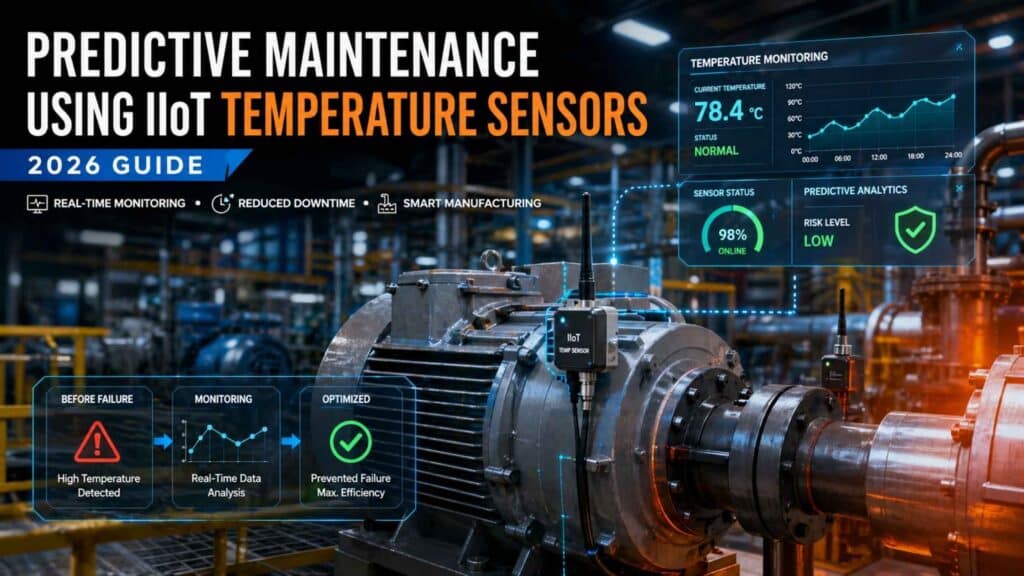
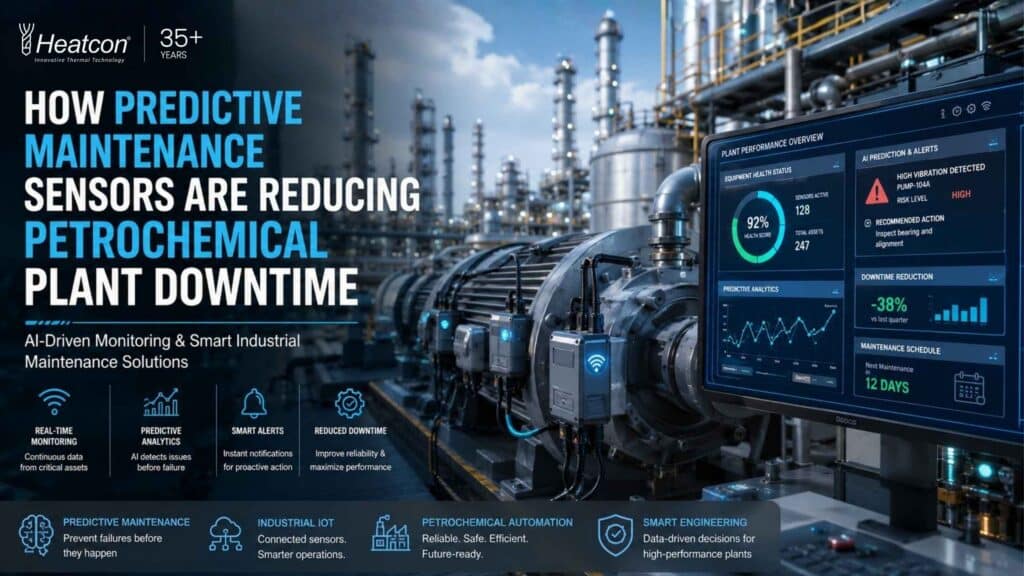
According to industry reports published by major industrial automation organizations, unplanned downtime in petrochemical facilities can cost companies anywhere from hundreds of thousands to millions of dollars per day depending on plant size and production capacity. This is exactly why modern petrochemical temperature monitoring has become one of the most critical investments for process industries worldwide. Plants that once relied on reactive maintenance are now rapidly transitioning toward predictive maintenance sensors that identify temperature fluctuations, process abnormalities, equipment fatigue, and thermal instability before catastrophic failures occur.
For petrochemical plants, refineries, LNG terminals, chemical processing facilities, and energy production units, temperature is not just another operating parameter. It is one of the most important indicators of equipment health and process stability. A minor temperature variation in a heat exchanger, reactor, distillation column, pipeline, furnace, or compressor system can quickly escalate into equipment damage, production losses, fire hazards, environmental risks, and extended downtime.
This growing challenge has accelerated the adoption of refinery temperature sensors, industrial thermal monitoring systems, and smart plant sensors across modern facilities. Industries now understand that waiting for failure is no longer an acceptable maintenance strategy when predictive intelligence can prevent operational shutdowns long before they occur.
What are predictive maintenance sensors in petrochemical plants?
Predictive maintenance sensors are intelligent industrial sensing devices that continuously monitor operational conditions such as temperature, vibration, pressure, flow, and heat distribution to detect early signs of equipment degradation. In petrochemical industries, temperature sensing remains one of the most effective ways to identify abnormal conditions before machinery failure happens.
Unlike traditional preventive maintenance schedules that rely on fixed service intervals, predictive maintenance sensors provide real-time operational insights. This allows maintenance teams to act only when equipment shows actual warning signs of deterioration.
Key advantages of predictive sensing technologies
- Reduction in unplanned shutdowns
- Improved worker safety
- Extended equipment lifespan
- Reduced maintenance costs
- Higher process efficiency
- Lower energy consumption
- Enhanced process reliability
- Better regulatory compliance
- Reduced thermal failures
- Improved production continuity
Why petrochemical temperature monitoring is becoming indispensable
Petrochemical operations involve highly sensitive thermal processes where even small deviations can affect productivity, safety, and product quality. Advanced petrochemical temperature monitoring enables operators to continuously supervise critical assets operating under extreme temperatures and corrosive environments.
Temperature abnormalities often serve as the earliest warning signs of:
- Bearing failures
- Heat exchanger fouling
- Reactor instability
- Pipeline overheating
- Combustion inefficiencies
- Electrical hot spots
- Thermal fatigue
- Insulation breakdown
- Flow restrictions
- Pump cavitation
Without accurate temperature sensing, these issues may remain undetected until they evolve into expensive operational failures.
How refinery temperature sensors improve operational reliability
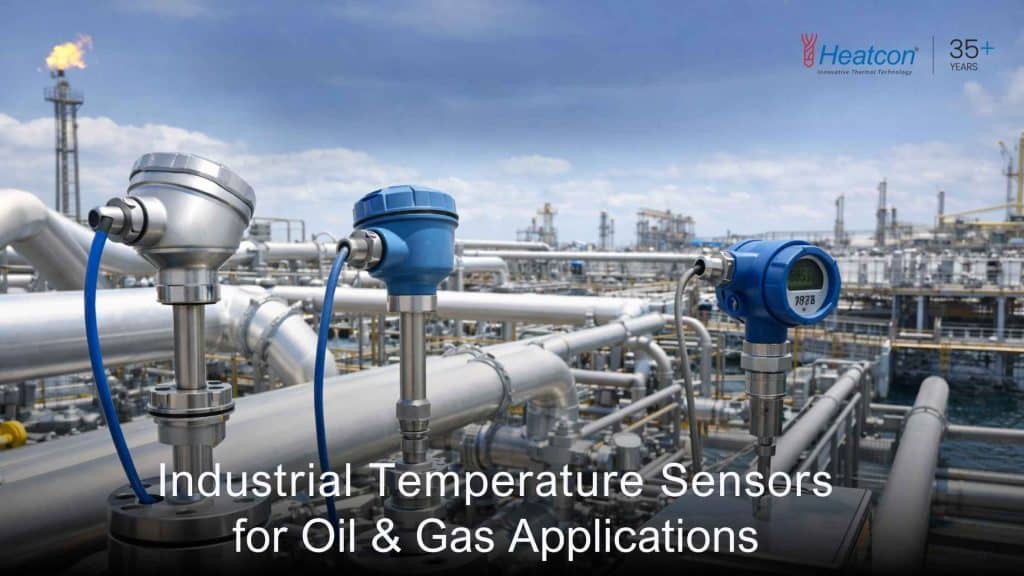
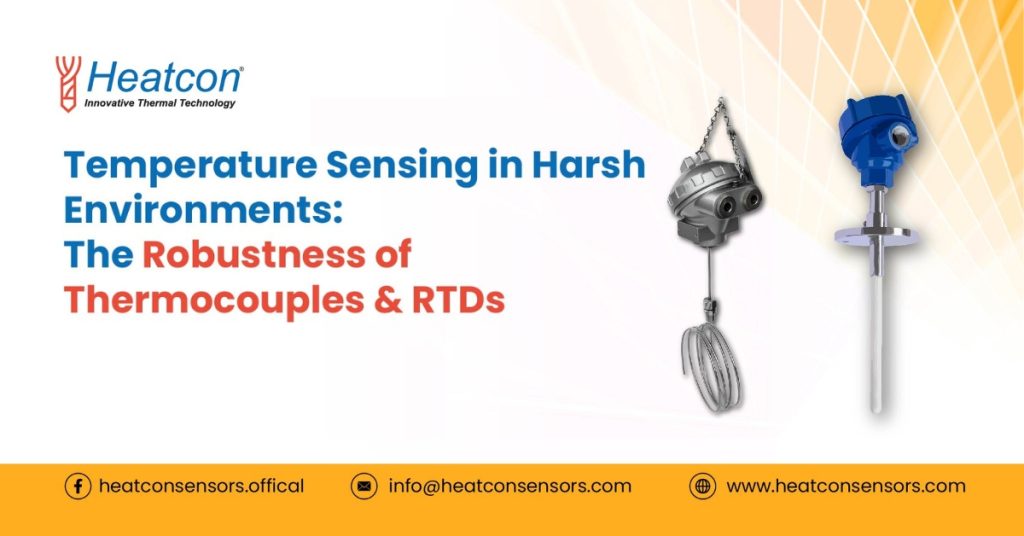
Modern refinery temperature sensors are engineered to operate reliably in some of the harshest industrial conditions imaginable. Refineries routinely experience exposure to corrosive chemicals, explosive atmospheres, extreme heat cycles, and continuous process loads.
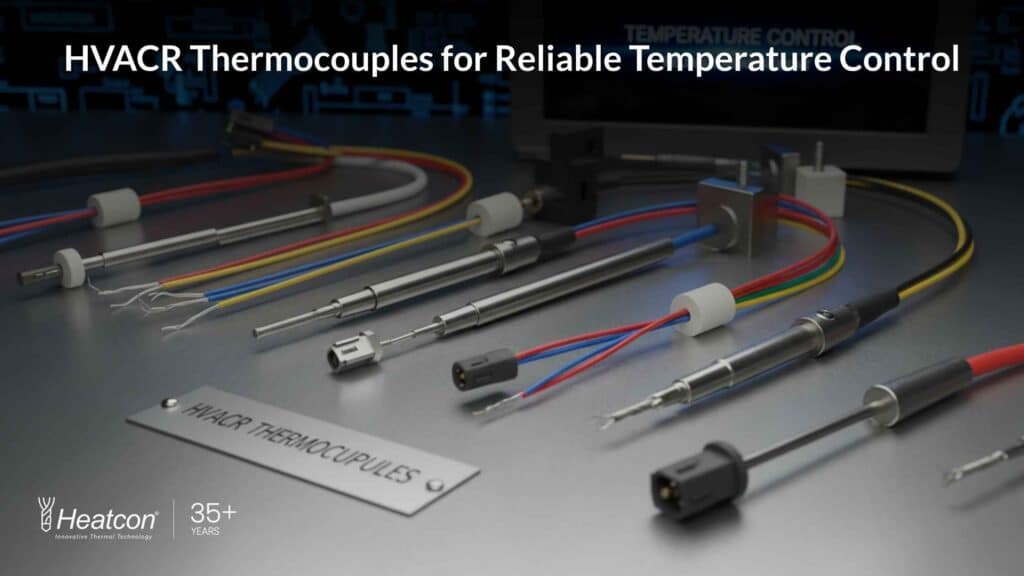
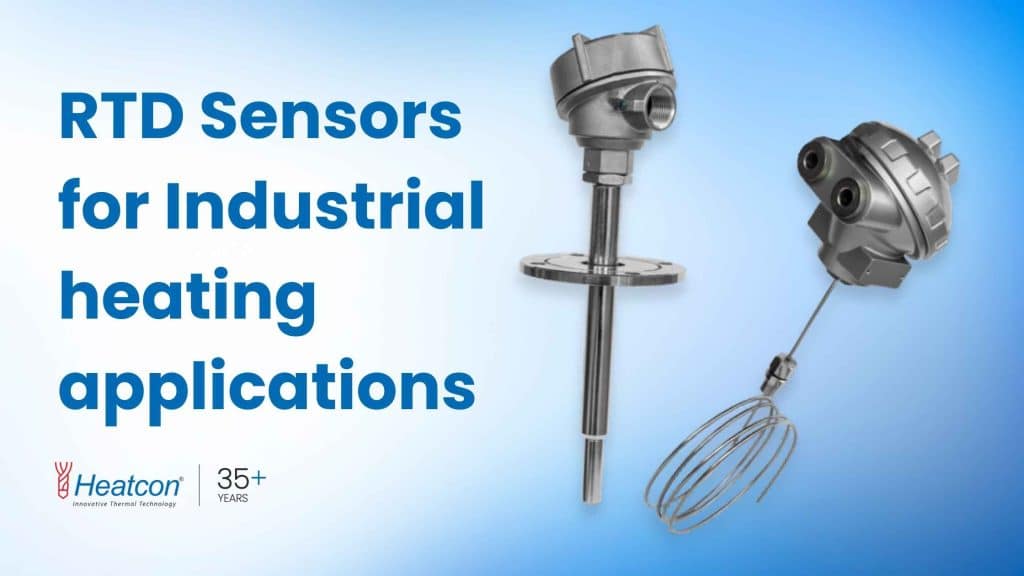
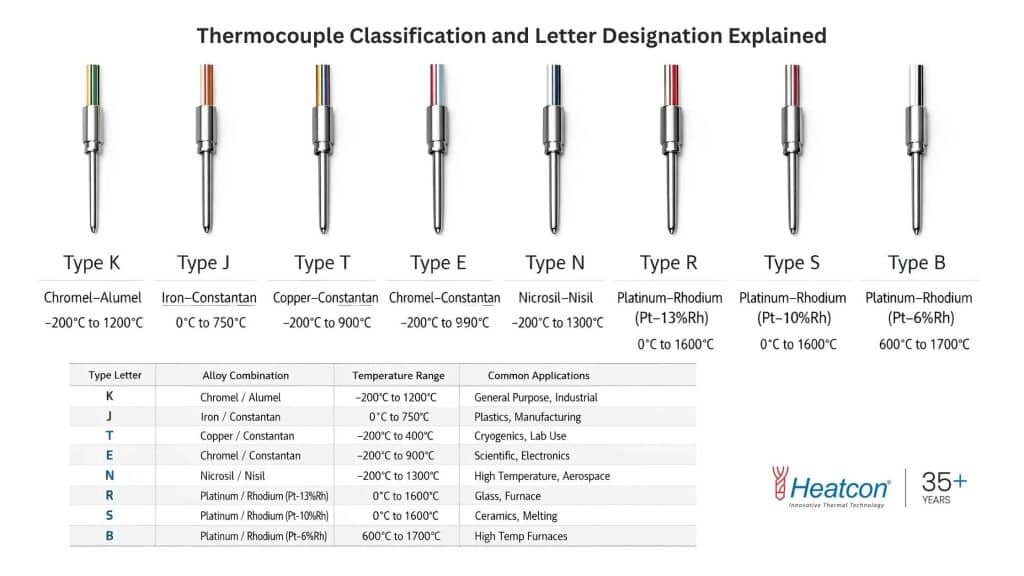
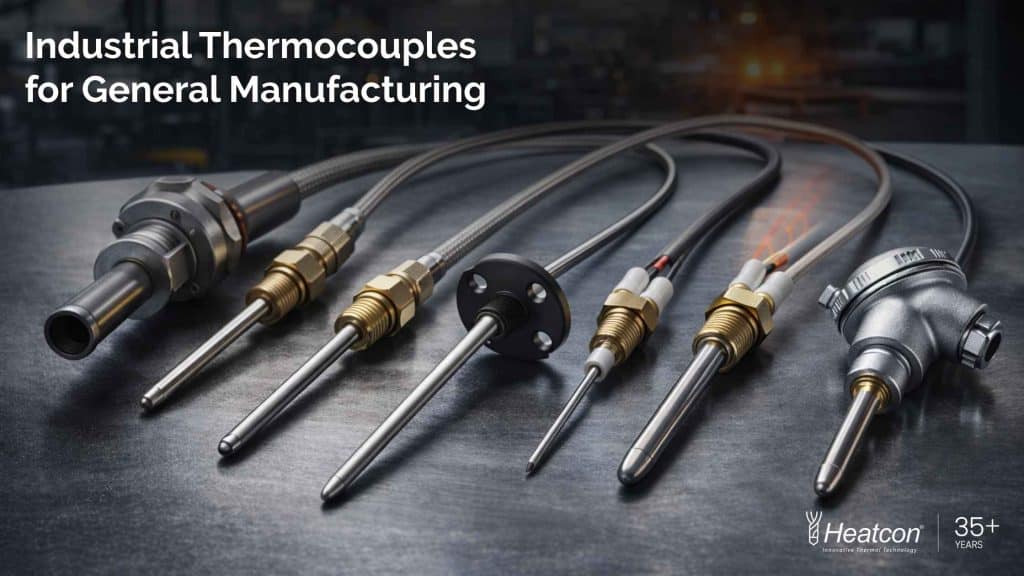
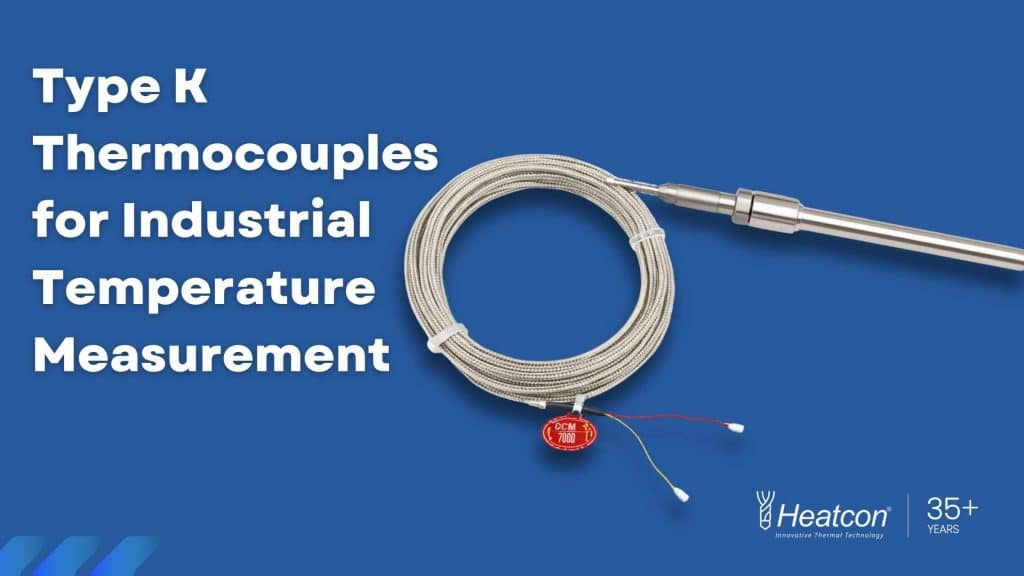
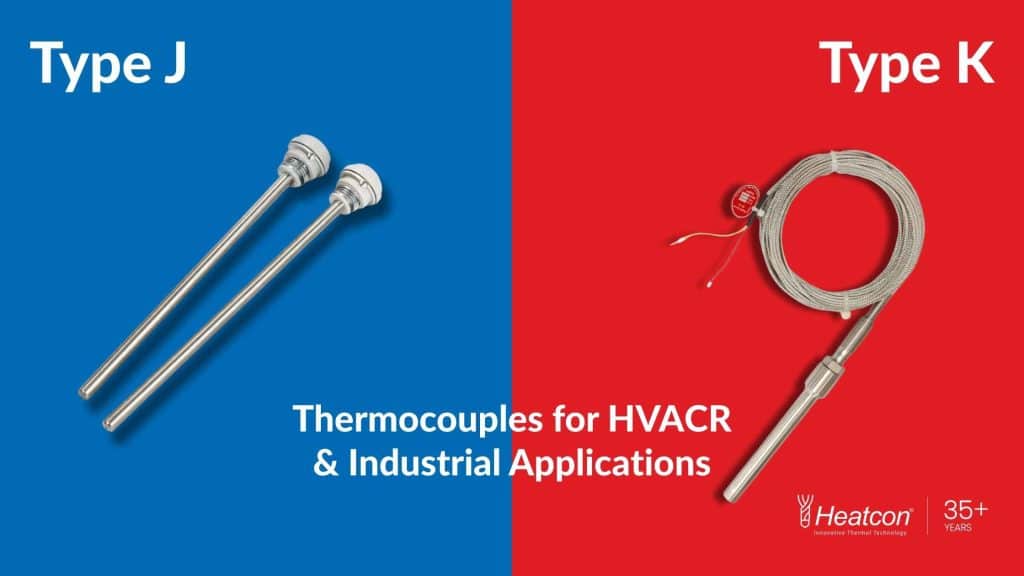
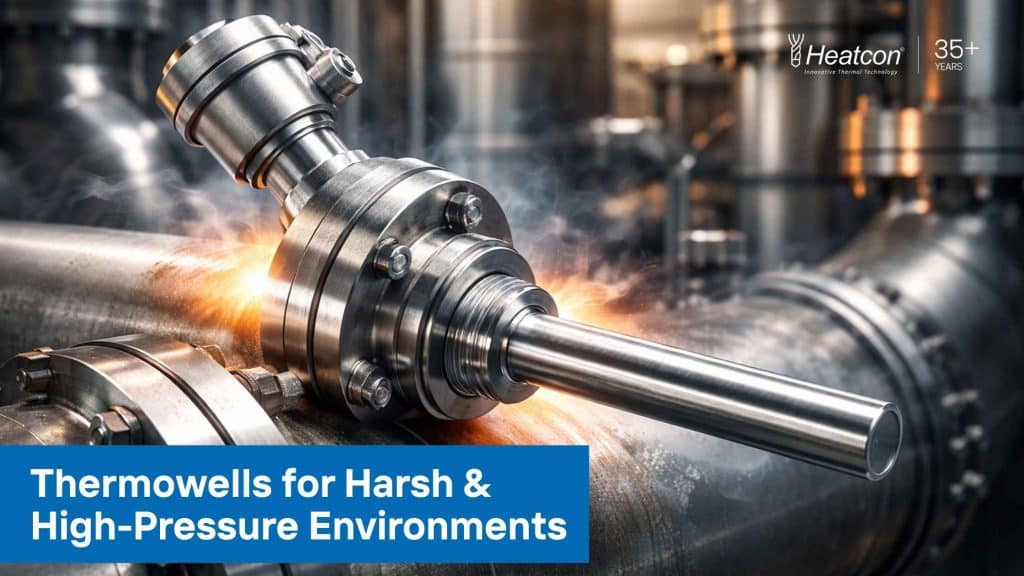
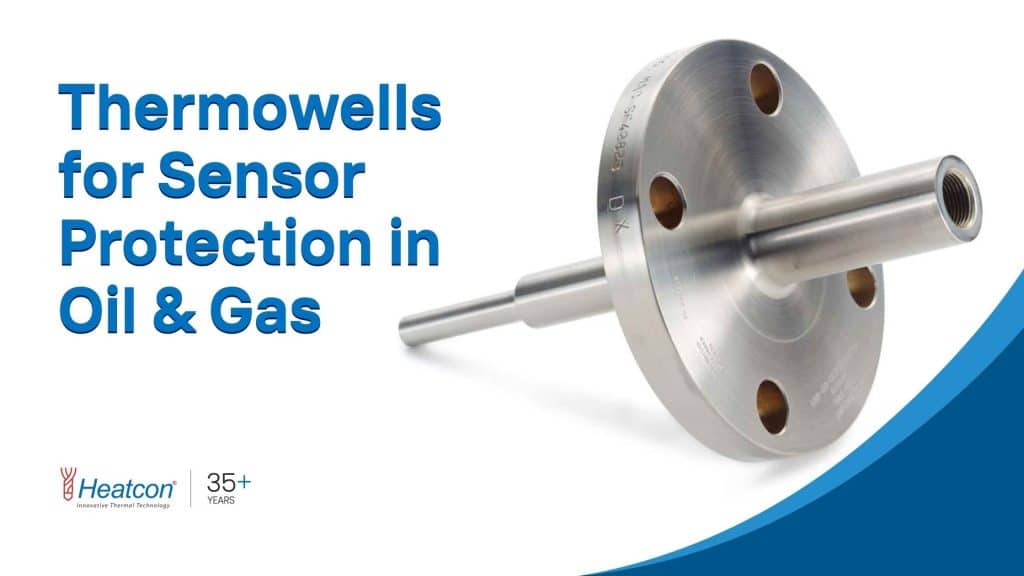
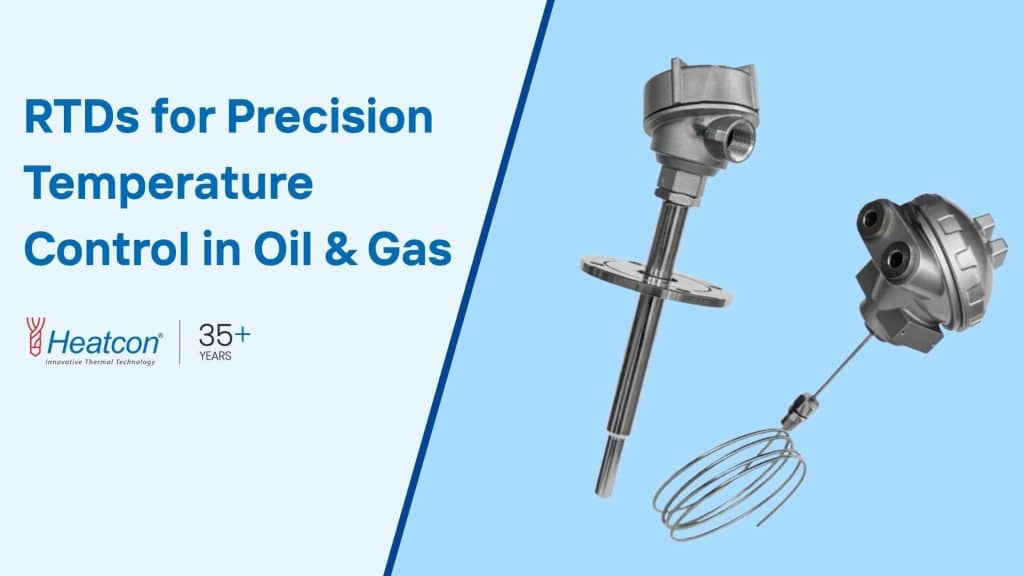
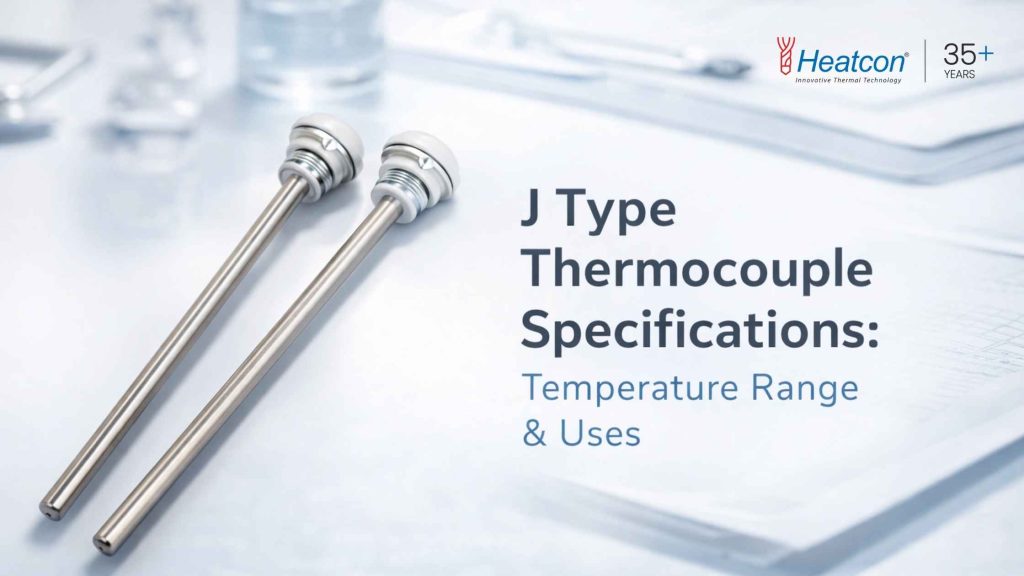
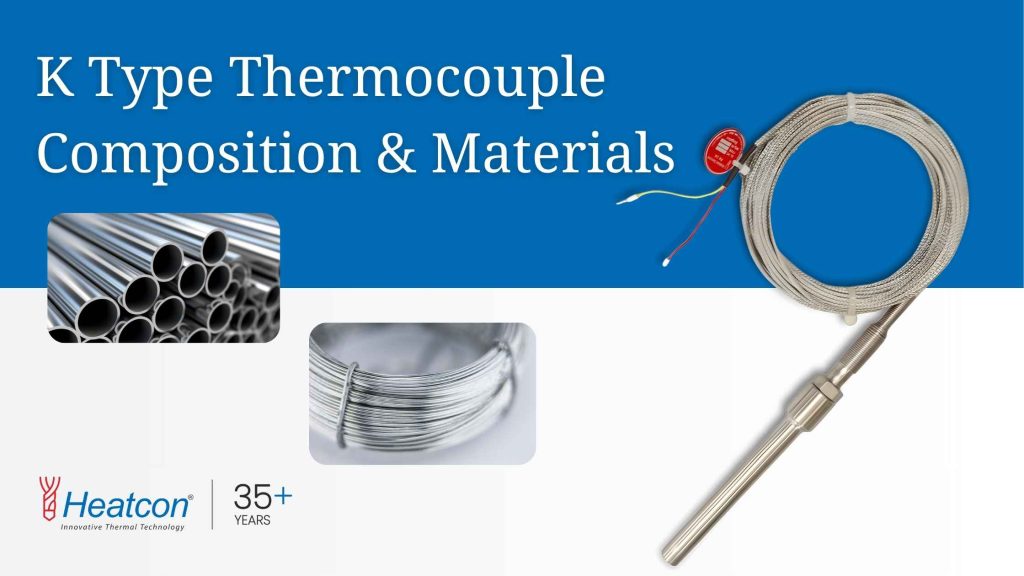
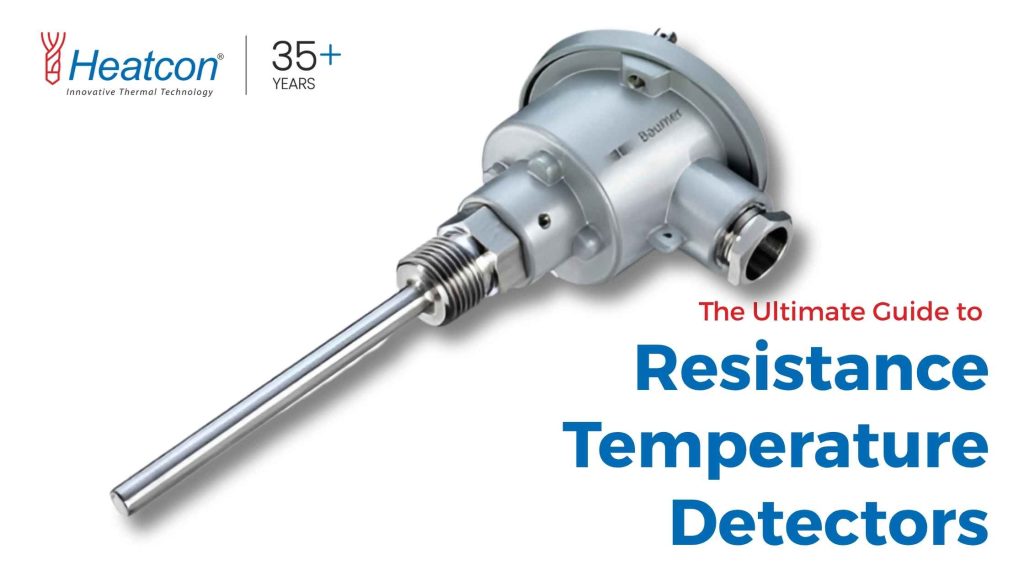
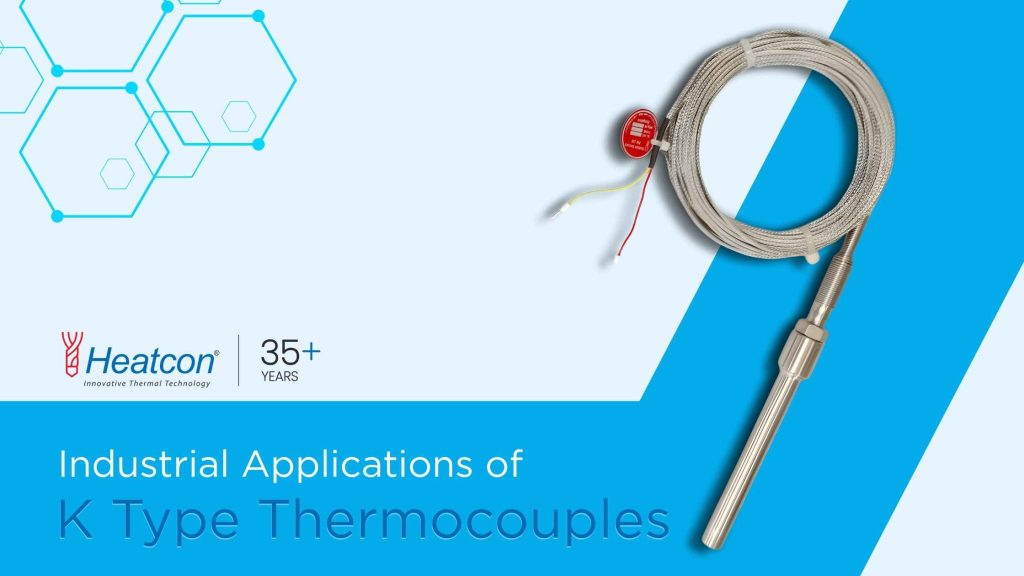
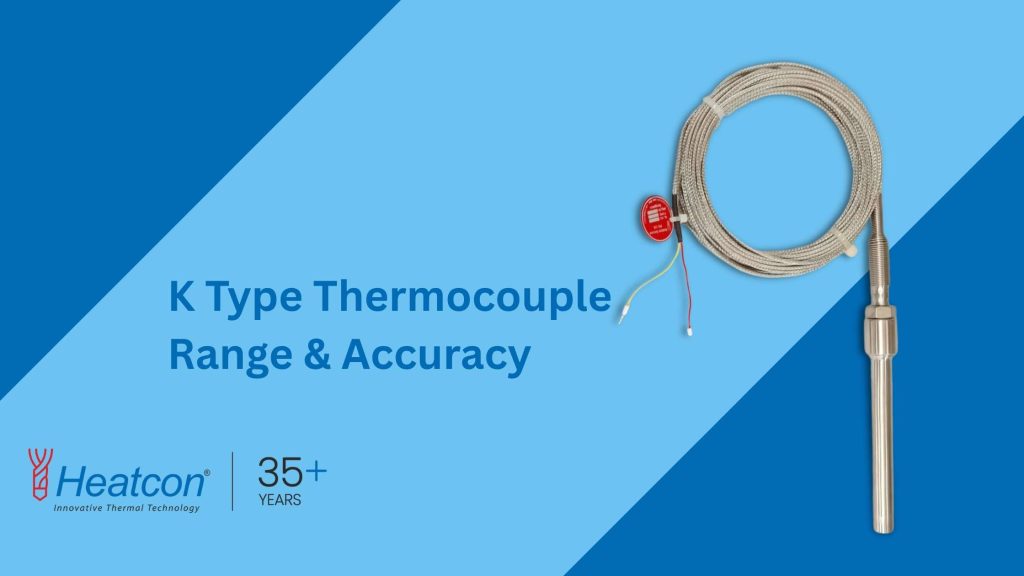
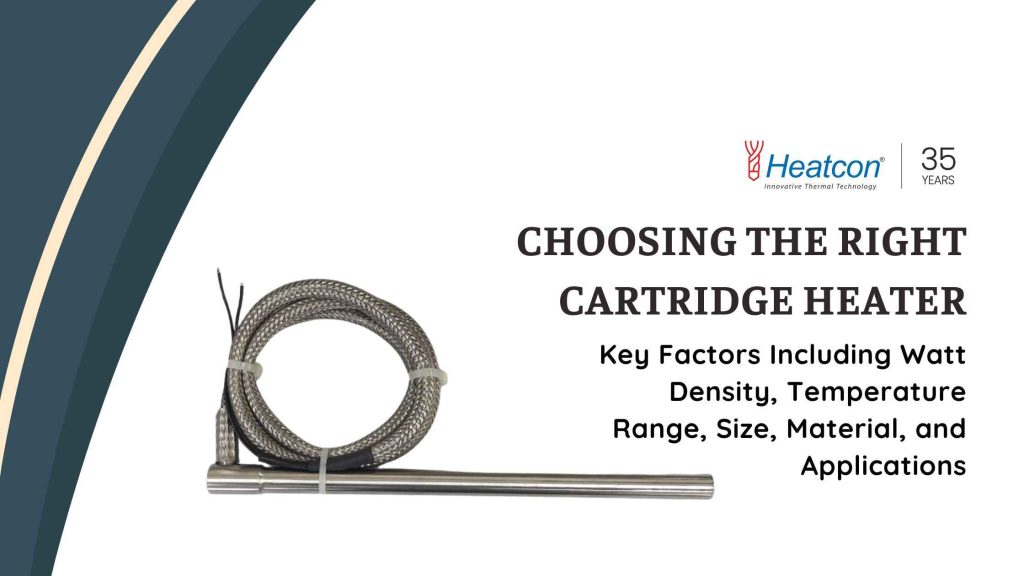
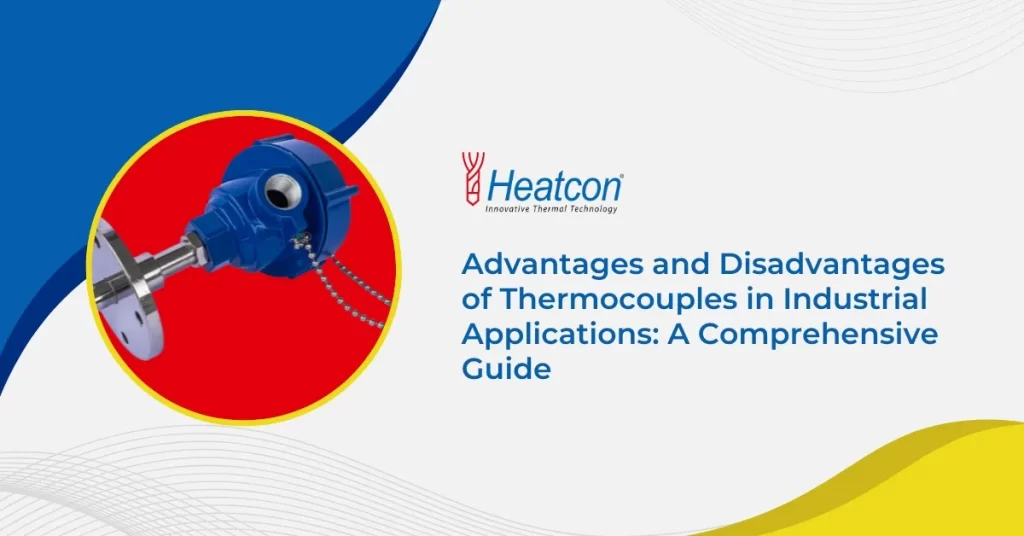
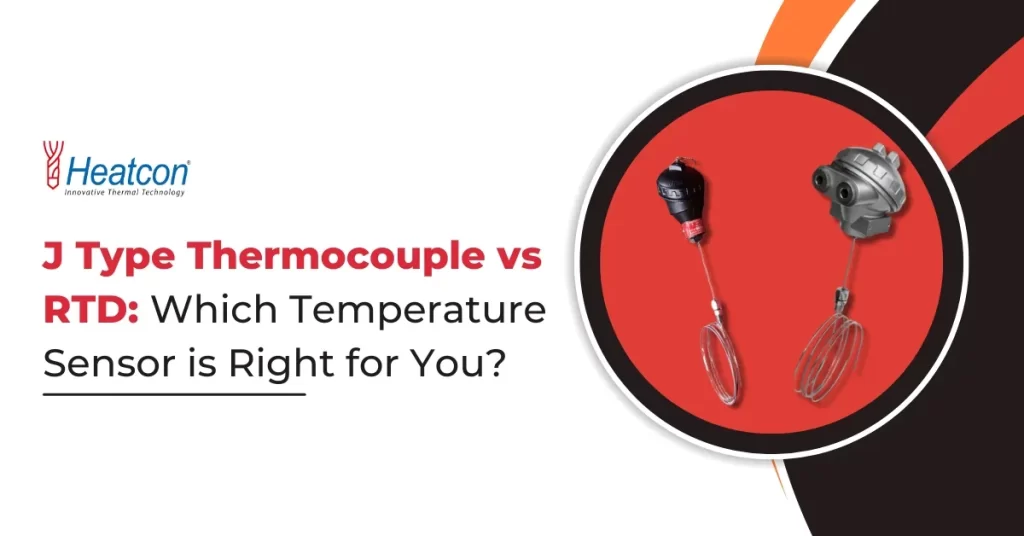
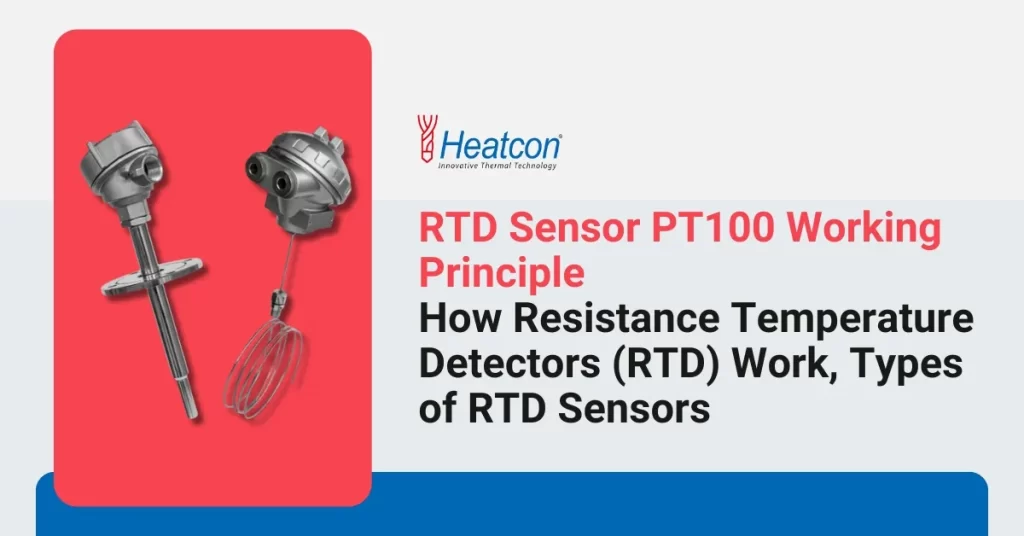
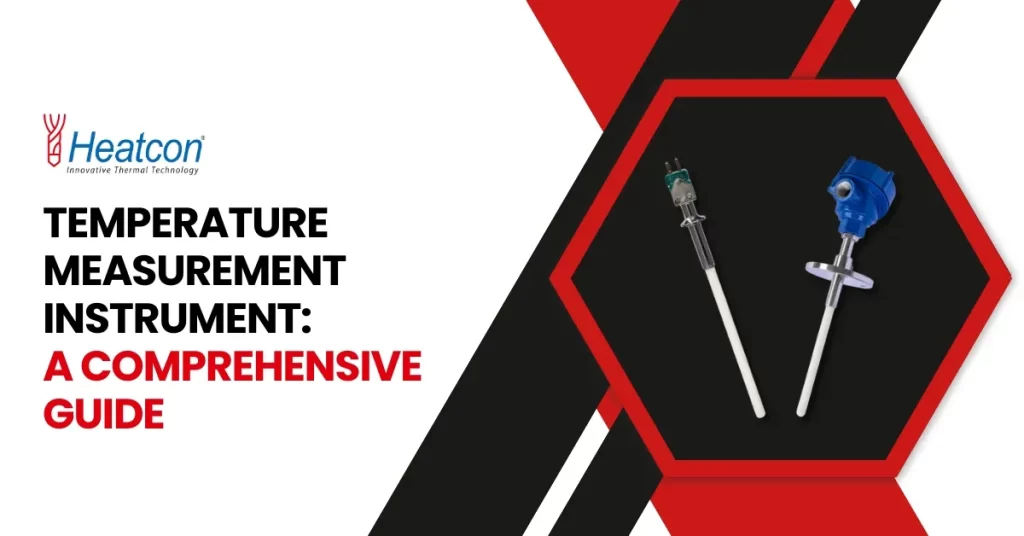
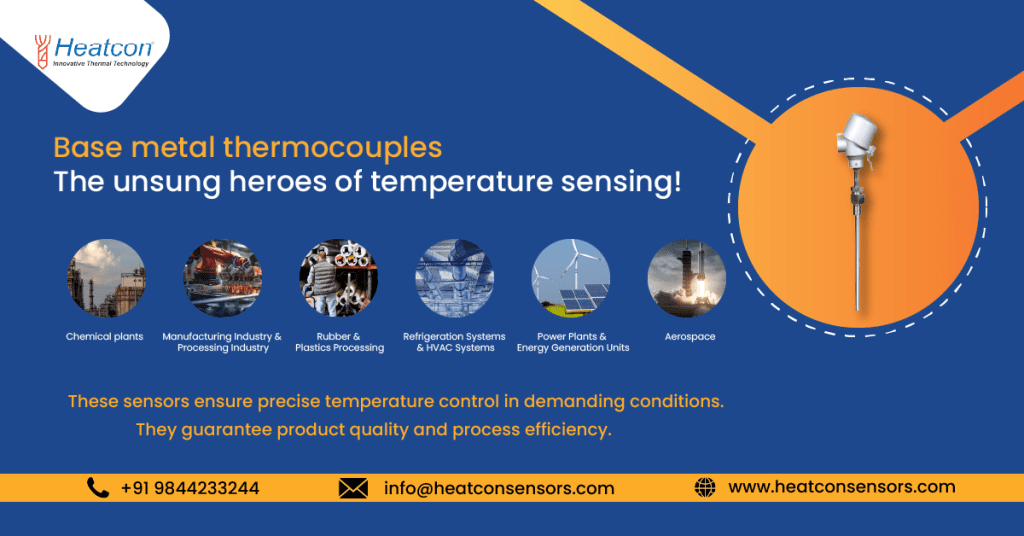
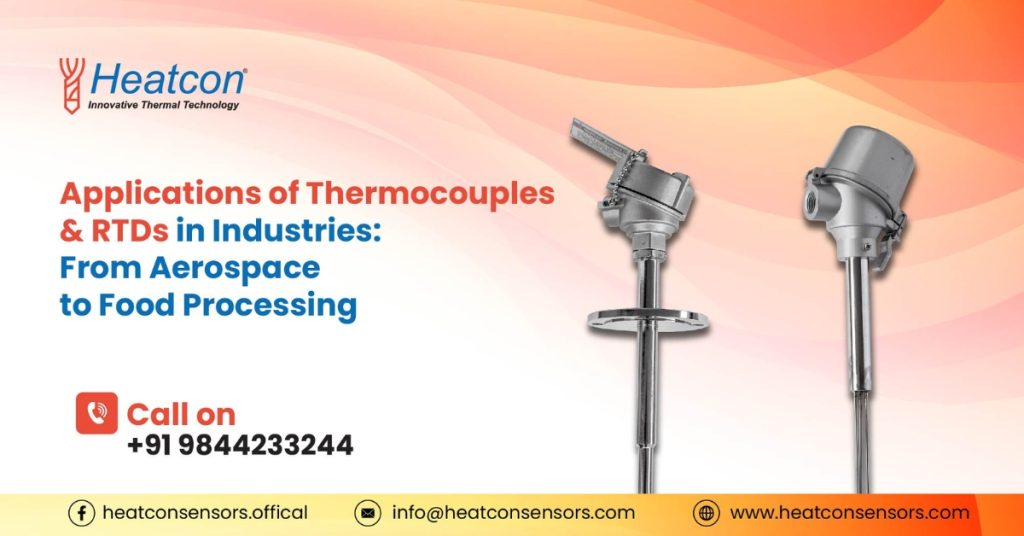
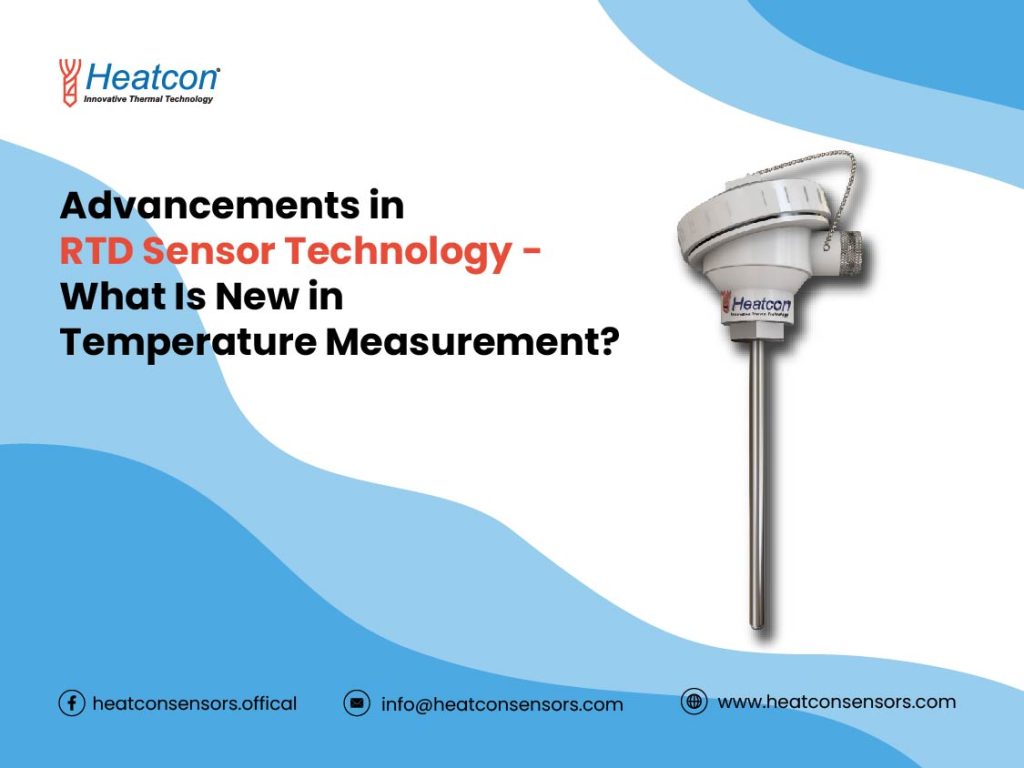
Heatcon Sensors specializes in manufacturing customized RTDs, thermocouples, mineral insulated sensors, thermowells, and industrial temperature assemblies designed specifically for demanding petrochemical applications.
The company manufactures custom-built sensing solutions suitable for:
- Refineries
- Petrochemical plants
- Oil and gas processing units
- Chemical plants
- Power plants
- Steel industries
- Pharmaceutical facilities
- Food processing industries
- Marine industries
- Industrial automation systems
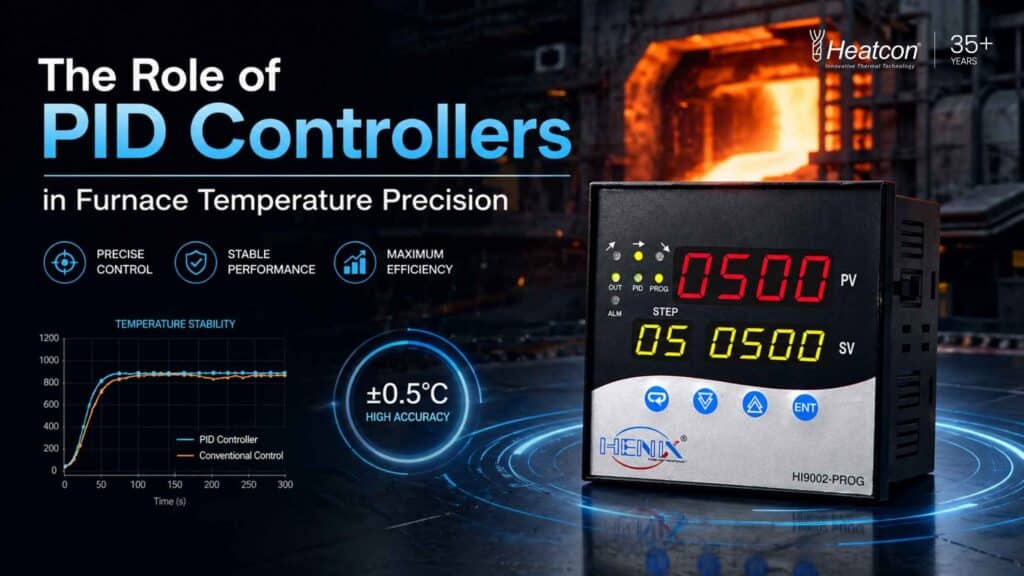
Unlike generic off-the-shelf sensors, customized refinery temperature sensors manufactured by Heatcon Sensors are engineered according to exact industrial operating conditions, ensuring higher accuracy, longer operational life, and superior reliability.
How industrial thermal monitoring reduces costly downtime
Industrial thermal monitoring provides continuous visibility into plant-wide thermal behavior. This enables predictive maintenance teams to identify operational anomalies before they escalate into shutdowns.
In modern petrochemical facilities, industrial thermal monitoring systems are integrated with:
- SCADA platforms
- DCS systems
- Industrial IoT platforms
- Cloud analytics systems
- AI-driven maintenance software
- Remote monitoring systems
- Condition monitoring platforms
When connected with predictive analytics tools, temperature sensors can forecast equipment deterioration trends and maintenance requirements weeks or even months before actual failure occurs.
For example, a gradual rise in bearing temperature may indicate lubrication failure or shaft misalignment. Similarly, abnormal reactor temperature distribution may indicate catalyst degradation or process instability.
Without continuous industrial thermal monitoring, these warning signs could easily go unnoticed until production is interrupted.
Why smart plant sensors are shaping the future of industrial automation
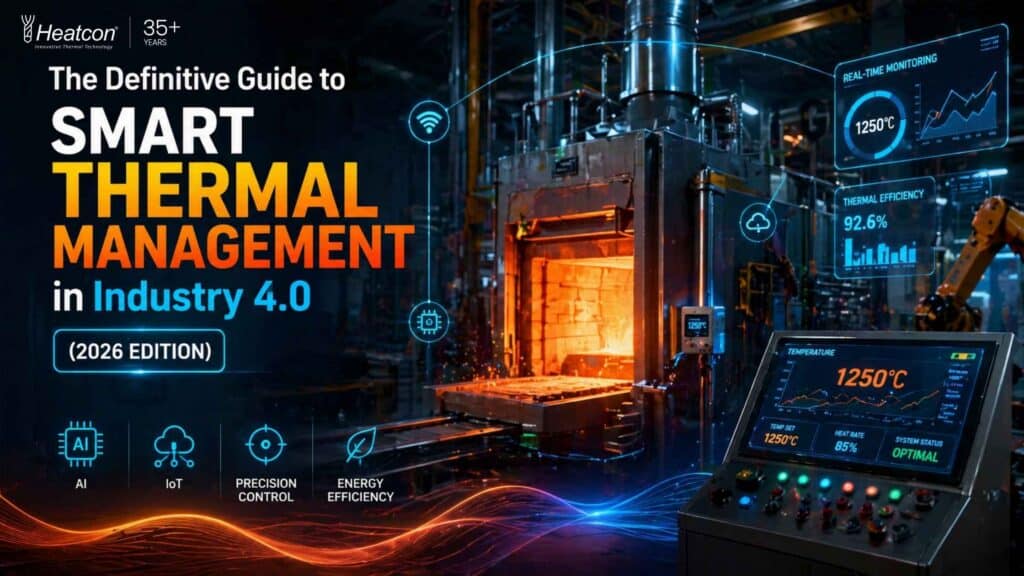
The rise of Industry 4.0 has transformed the role of smart plant sensors from passive measuring devices into intelligent data-generating assets. These sensors now communicate directly with centralized systems, enabling predictive maintenance strategies driven by artificial intelligence and machine learning.
Smart plant sensors help petrochemical facilities achieve:
- Real-time operational intelligence
- Predictive diagnostics
- Remote equipment supervision
- Automated alerts
- Energy optimization
- Asset lifecycle management
- Improved process stability
- Data-driven maintenance planning
Facilities that delay adoption of intelligent sensing technologies increasingly risk falling behind competitors that are reducing downtime, improving operational efficiency, and lowering maintenance expenditure through advanced predictive systems.
How Heatcon Sensors supports petrochemical industries worldwide
Heatcon Sensors is a specialized manufacturer of customized RTDs, thermocouples, industrial heaters, and temperature sensing systems for industrial applications across India and global markets.
The company manufactures and supplies:
- RTD sensors
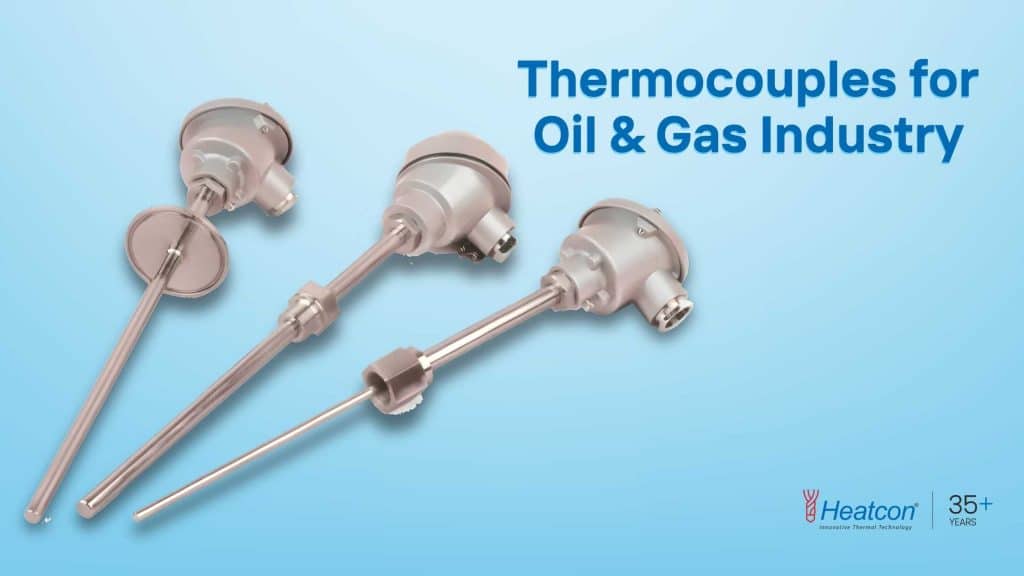
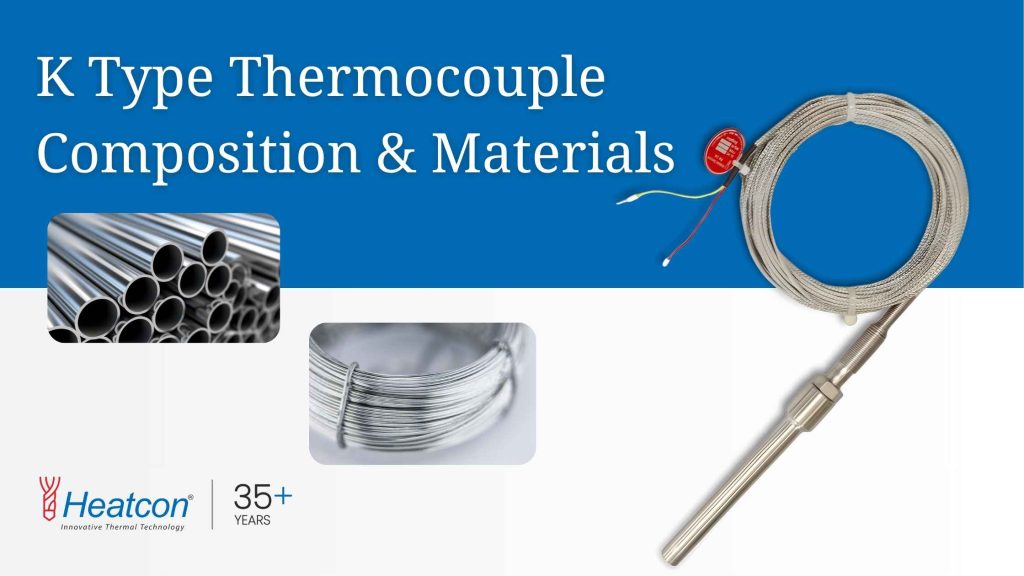
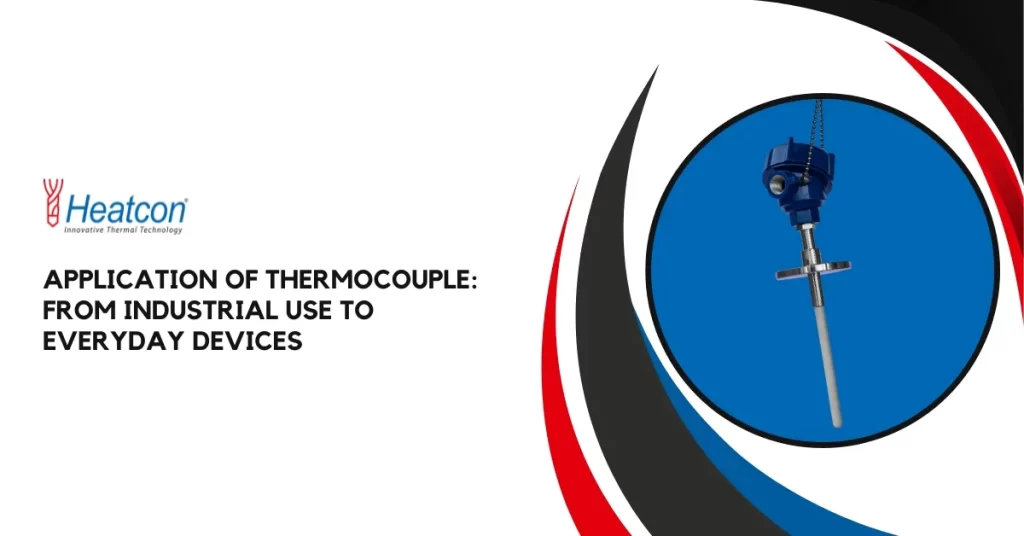
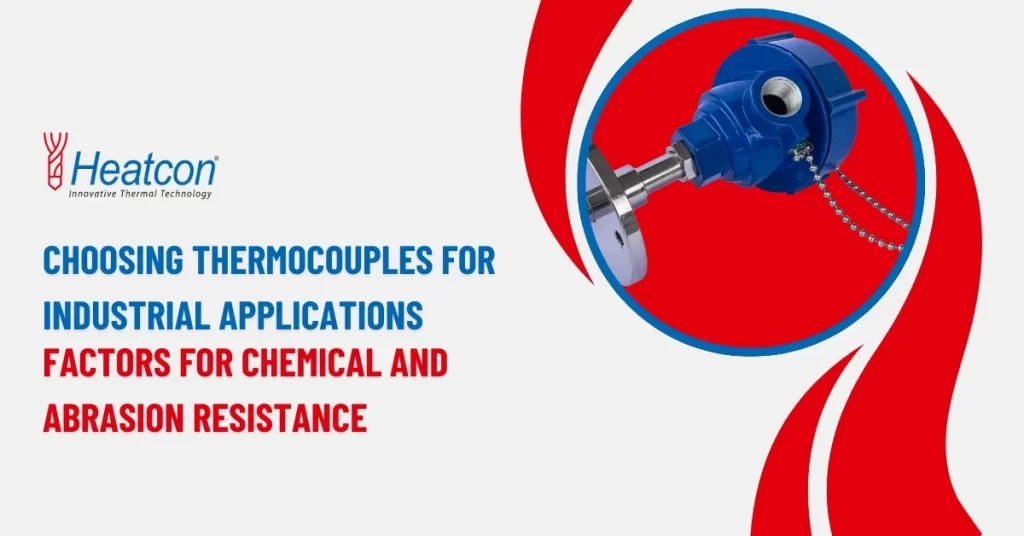
- Thermocouples
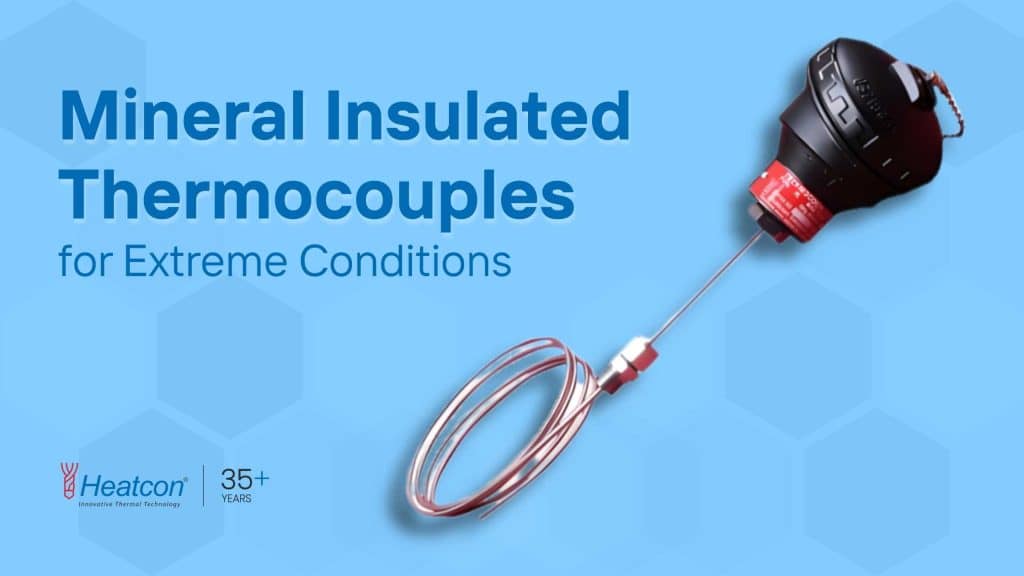
- Mineral insulated cables
- Temperature transmitters
- Thermowells
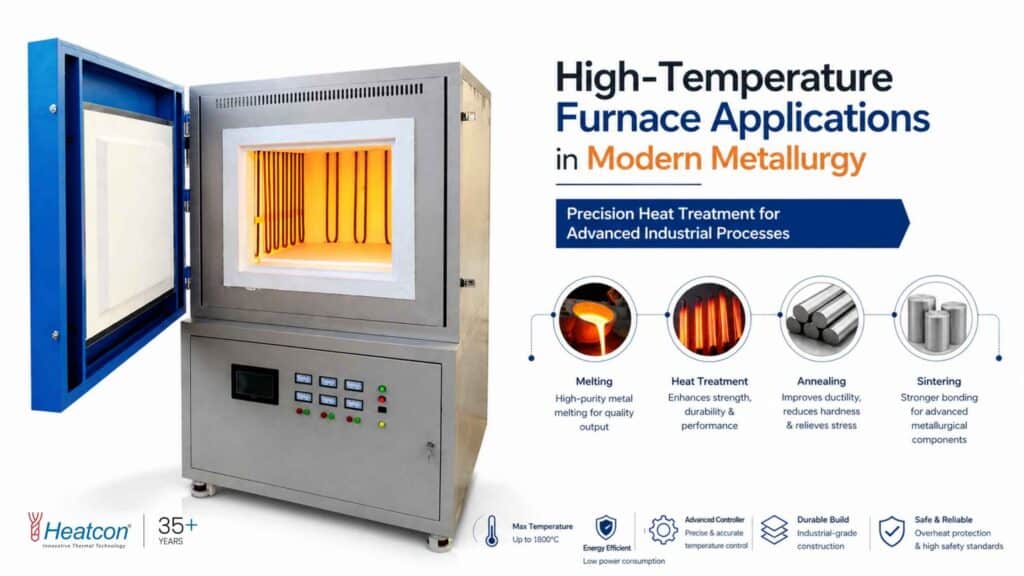
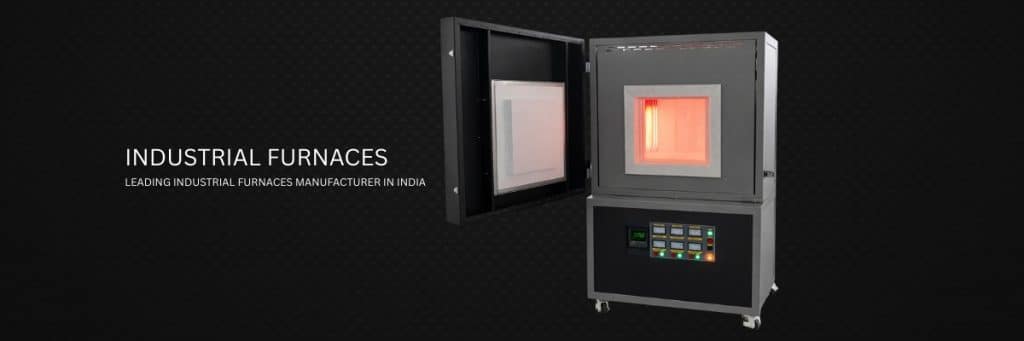
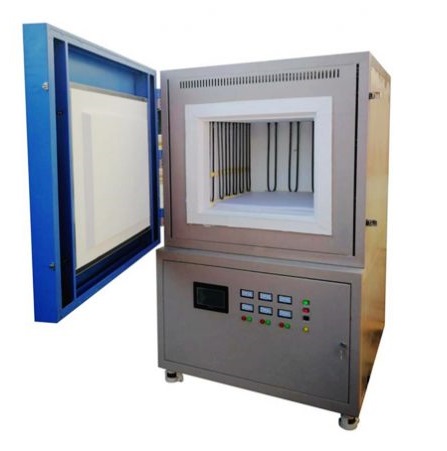
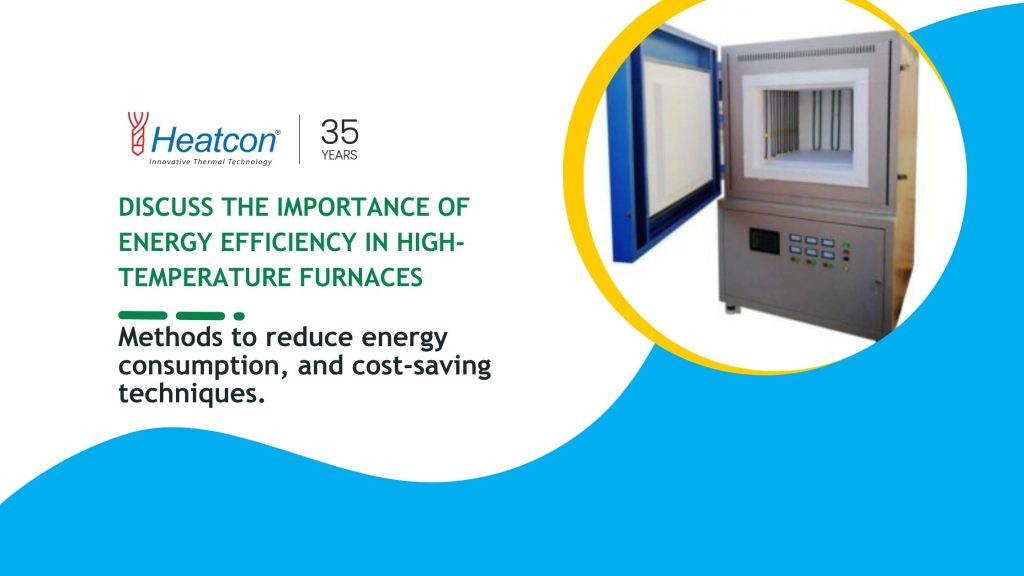
- Industrial furnaces
- Electric furnaces
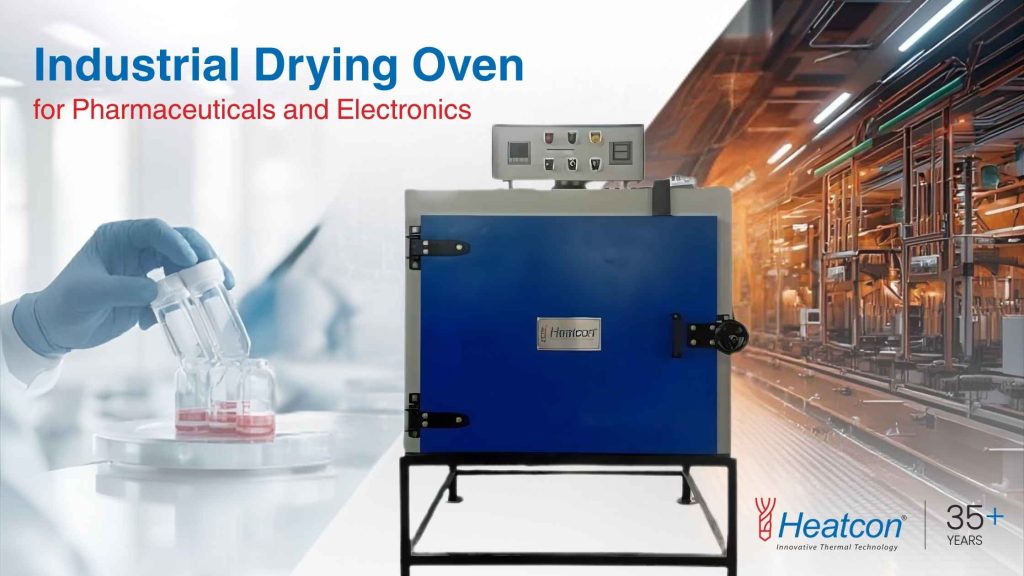
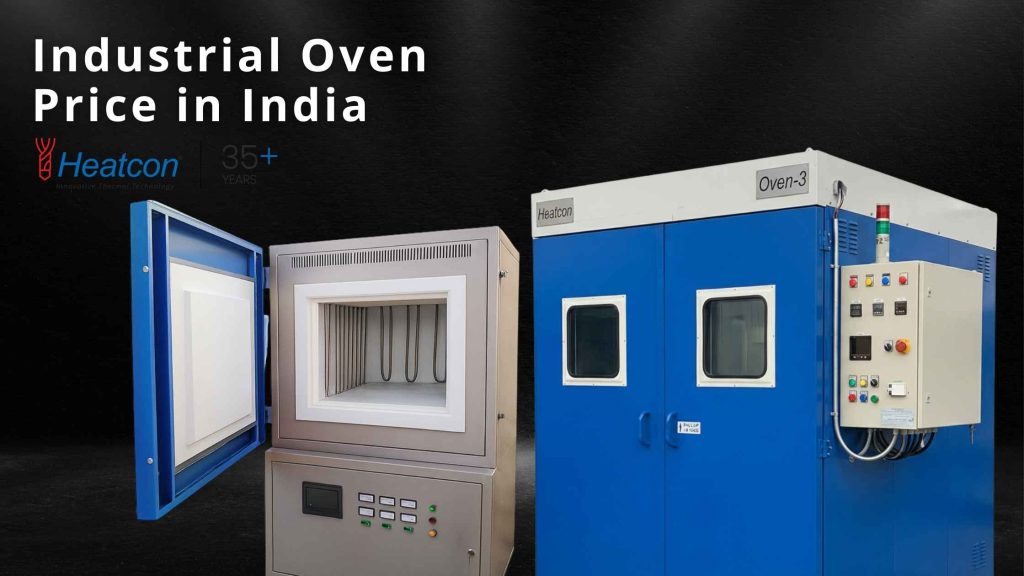
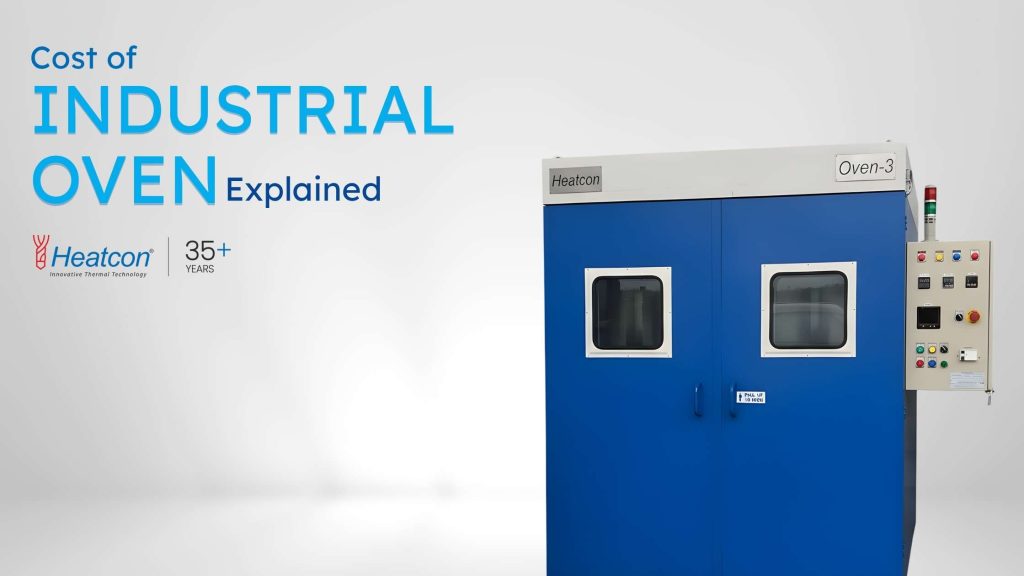
- Industrial ovens
- Hot air blowers
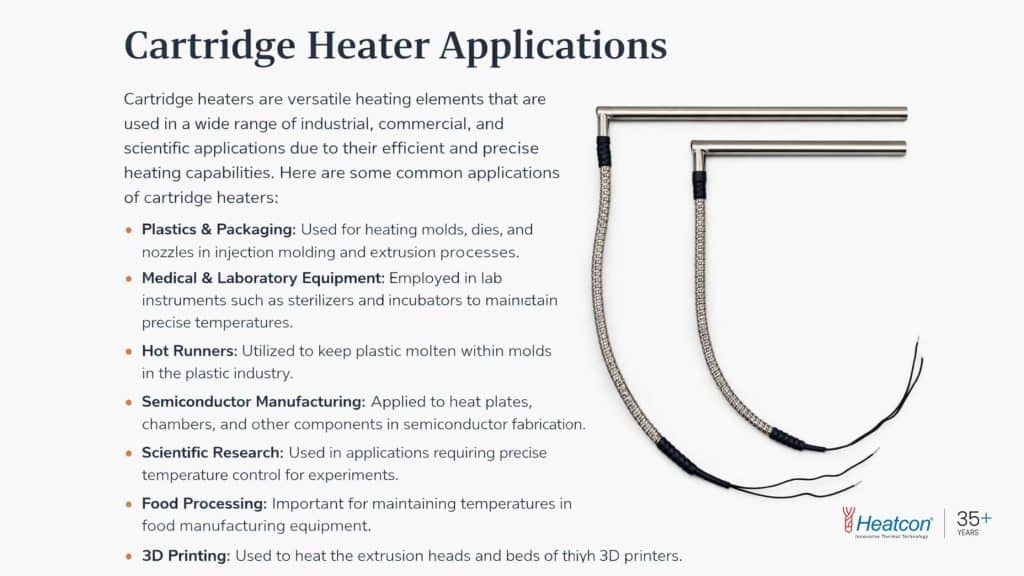
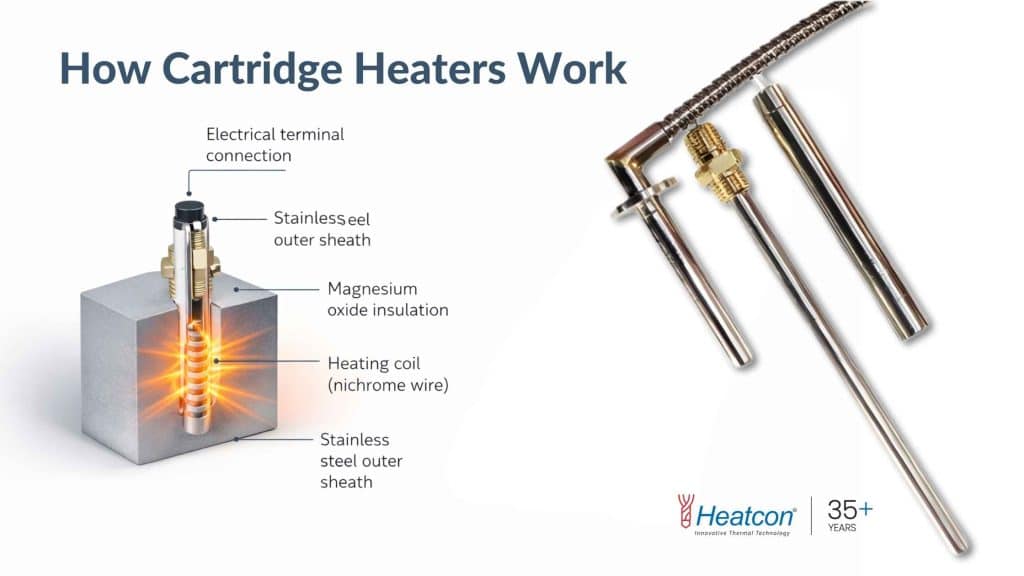
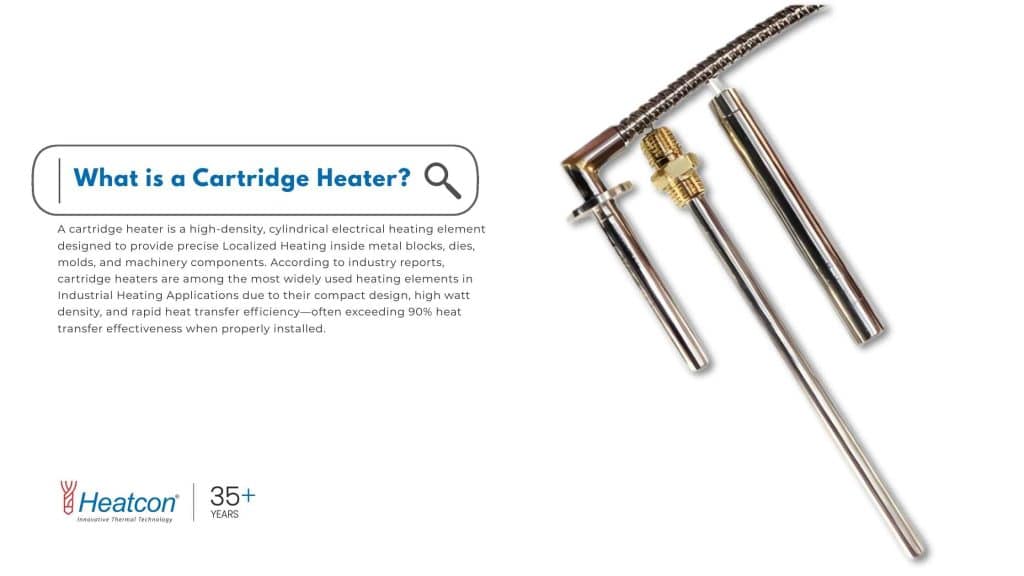
- High density cartridge heaters
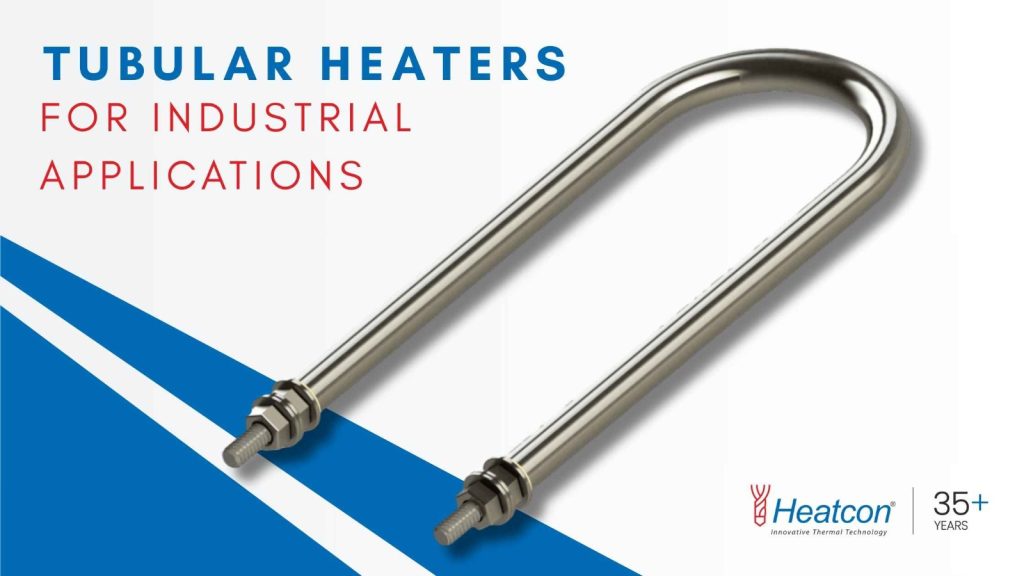
- Tubular heaters
- Ceramic heaters
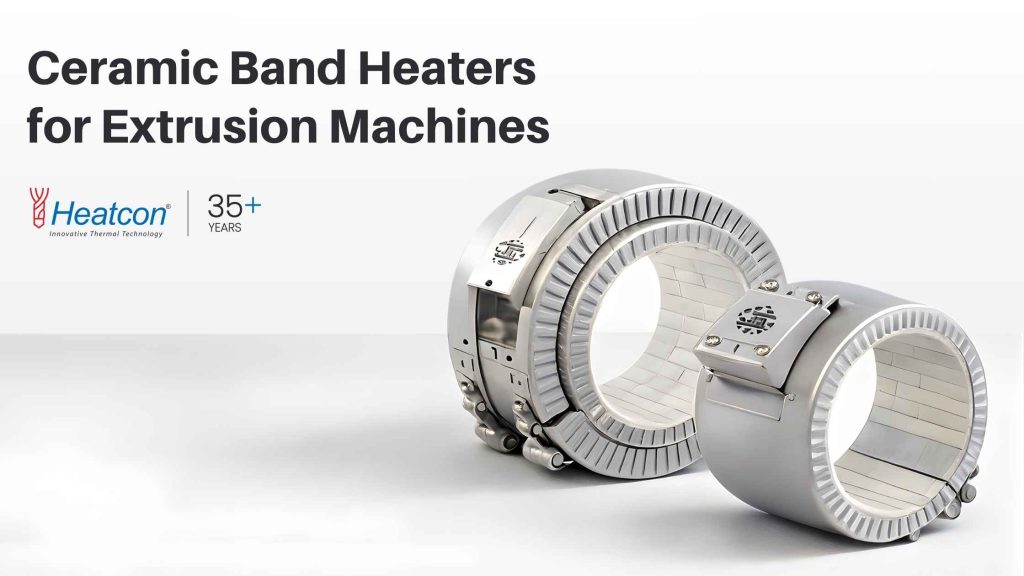
- Band heaters
- Strip heaters
- Immersion heaters
- Custom heating systems
What differentiates Heatcon Sensors is its ability to custom manufacture sensors according to application-specific industrial requirements. Every plant has unique process conditions, operating temperatures, mounting requirements, response time expectations, and environmental challenges.
Heatcon Sensors works closely with industries to deliver precisely engineered sensing solutions capable of performing reliably under real-world industrial conditions.
How customized RTDs outperform generic industrial sensors
Many petrochemical operators initially attempt to reduce procurement costs by purchasing generic temperature sensors. However, this often leads to premature failures, inaccurate readings, process instability, and increased maintenance expenses.
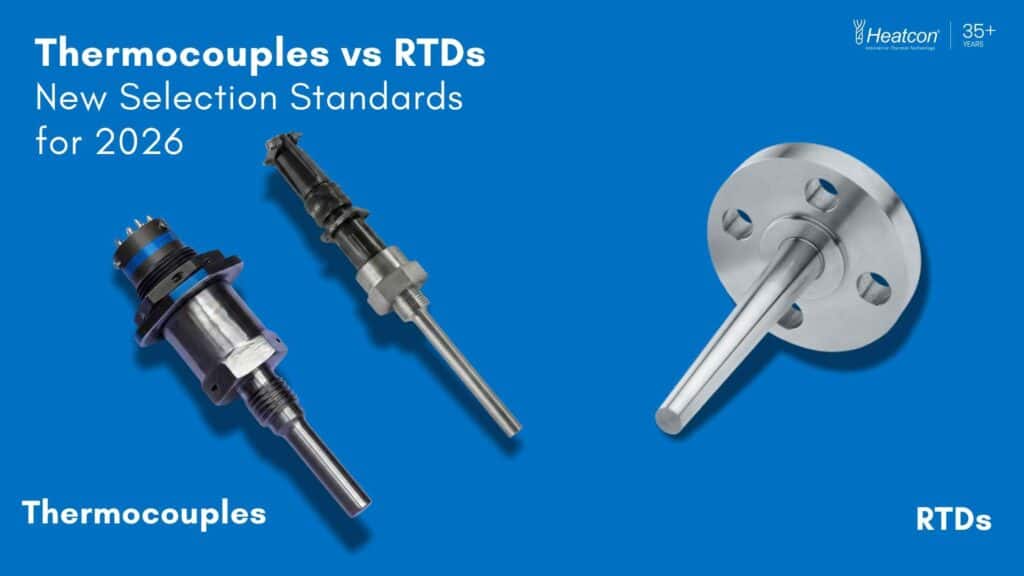
Customized RTDs from Heatcon Sensors offer several operational advantages:
| Feature | Customized RTDs | Generic Sensors |
|---|---|---|
| Accuracy | High precision application-specific calibration | Limited calibration flexibility |
| Durability | Designed for harsh industrial environments | Standardized construction |
| Response Time | Optimized for process conditions | General purpose response |
| Operational Life | Longer lifespan | Higher failure rates |
| Process Compatibility | Fully customized | Limited adaptability |
Why delayed sensor upgrades can become extremely expensive
Many petrochemical facilities continue operating with outdated sensing infrastructure because systems still appear functional. However, older monitoring systems often fail to detect gradual thermal degradation patterns that modern predictive maintenance sensors identify immediately.
The hidden risks include:
- Unexpected shutdowns
- Production losses
- Safety incidents
- Regulatory non-compliance
- Environmental liabilities
- Higher maintenance costs
- Increased energy consumption
- Reduced process efficiency
As global industries move toward automation-driven predictive maintenance ecosystems, companies that postpone modernization may eventually face significantly higher operational costs compared to competitors already benefiting from advanced sensing infrastructure.
How Heatcon Sensors delivers globally customized industrial solutions
Heatcon Sensors supplies industrial temperature sensors and heating equipment across India and international markets including the United States, UAE, Indonesia, Germany, South Korea, Saudi Arabia, Russia, Bahrain, Kuwait, and several other global industrial regions.
The company’s engineering expertise enables customization for:
- Extreme temperature environments
- Corrosive process media
- Hazardous industrial zones
- Compact installations
- Fast response requirements
- Heavy vibration conditions
- Continuous duty operations
- Explosion-prone applications
This level of customization is critical because no two petrochemical plants operate under identical process conditions.
About Heatcon Sensors
Heatcon Sensors is an industrial temperature sensor and heating equipment manufacturer specializing in customized RTDs, thermocouples, industrial heaters, furnaces, ovens, hot air blowers, and advanced thermal sensing systems for industrial applications.
The company serves petrochemical industries, refineries, chemical plants, power generation facilities, automation sectors, and process industries requiring high-performance temperature sensing solutions.
Heatcon Sensors manufactures custom-engineered products capable of meeting highly specialized industrial operating conditions while delivering reliable performance, thermal accuracy, and long operational lifespan.
Contact Heatcon Sensors for customized predictive sensing solutions
Industrial downtime is expensive, but preventable failures are even more costly when the right predictive sensing technologies are available today. Facilities investing in advanced petrochemical temperature monitoring, refinery temperature sensors, industrial thermal monitoring, and smart plant sensors are positioning themselves for higher efficiency, improved safety, and stronger operational reliability.
To discuss customized industrial temperature sensing requirements, industries can:
- Submit information through the contact form at https://heatconsensors.com/contact-us/
- Leave a message through the WhatsApp interface available on the Heatcon Sensors website
- Call +91 9164833027 for immediate assistance
- Call +91 9844233244 for technical support and product inquiries
Whether the requirement involves a single custom RTD or complete industrial thermal monitoring systems for large-scale petrochemical facilities, Heatcon Sensors delivers customized industrial sensing solutions engineered for demanding operational environments worldwide.
Frequently Asked Questions
How do predictive maintenance systems reduce downtime in petrochemical plants?
Modern petrochemical facilities operate under continuous production conditions, where even a small equipment failure can lead to major operational losses. By using predictive maintenance sensors, plant operators can continuously monitor temperature fluctuations, vibration patterns, pressure changes, and thermal anomalies before they become serious failures.
Heatcon Sensors provides monitoring solutions that help maintenance teams identify early warning signs in reactors, pipelines, furnaces, compressors, and storage systems. Instead of relying only on scheduled inspections, predictive analytics allows plants to repair or replace components before unexpected shutdowns occur, helping reduce downtime, improve worker safety, and increase production efficiency.
Why is petrochemical temperature monitoring critical for refinery operations?
petrochemical temperature monitoring is essential because petrochemical processes involve extreme operating conditions that must remain within precise thermal ranges. Even slight temperature variations can affect product quality, catalyst performance, equipment lifespan, and overall plant safety.
Heatcon Sensors designs temperature sensing solutions that provide accurate and stable measurements in harsh industrial environments. These systems support real-time monitoring across distillation columns, heat exchangers, cracking units, and process pipelines, allowing operators to make informed maintenance and operational decisions quickly.
What types of refinery equipment benefit most from continuous sensor monitoring?
Continuous monitoring is especially valuable for critical refinery assets such as boilers, turbines, compressors, heat exchangers, storage tanks, process furnaces, and rotating machinery. These systems often operate around the clock and are exposed to high thermal and mechanical stress.
refinery temperature sensors installed by Heatcon Sensors help maintenance teams detect overheating, abnormal thermal cycling, insulation degradation, and process inefficiencies before they escalate into failures. Early detection improves maintenance planning while minimizing emergency shutdowns and costly repairs.
How does industrial thermal monitoring improve plant safety and compliance?
industrial thermal monitoring plays an important role in maintaining safe operating conditions across petrochemical and refinery facilities. Abnormal temperature spikes can indicate insulation failure, process instability, electrical faults, or equipment deterioration that may create safety hazards.


Heatcon Sensors helps facilities maintain reliable monitoring coverage with durable sensing technologies suitable for high-temperature and corrosive environments. Accurate thermal monitoring supports compliance with operational standards while reducing the risk of fires, explosions, and unplanned incidents that can affect personnel and production.


What advantages do smart plant sensors offer compared to traditional maintenance methods?
Traditional maintenance methods often rely on fixed service schedules or manual inspections, which may not detect hidden issues developing between maintenance cycles. smart plant sensors provide continuous, real-time operational data that helps maintenance teams identify patterns and trends linked to equipment wear or process abnormalities.
Heatcon Sensors integrates advanced sensing technologies that support automated alerts, remote diagnostics, and data-driven maintenance strategies. This approach improves reliability, reduces unnecessary maintenance activity, and allows operators to focus resources on the equipment that actually requires attention.
Can predictive sensor systems help reduce maintenance costs in petrochemical facilities?
Yes. One of the biggest financial advantages of predictive monitoring is the reduction of emergency repairs and production interruptions. Unexpected equipment failures often result in expensive downtime, rushed replacement procurement, and overtime labor costs.
By using Heatcon Sensors solutions for continuous condition monitoring, facilities can schedule maintenance activities more efficiently and avoid replacing components prematurely. Predictive maintenance programs also extend equipment lifespan and help improve overall operational efficiency across the plant.
How do Heatcon Sensors solutions support digital transformation in industrial plants?
Digital transformation in industrial operations depends heavily on accurate and reliable process data. Heatcon Sensors supports this transition by delivering sensing technologies that integrate with modern industrial automation and monitoring platforms.
The company’s solutions help operators gain real-time visibility into equipment performance, thermal conditions, and process stability. With better data access, engineering teams can improve predictive maintenance planning, optimize energy consumption, and make faster operational decisions that support long-term plant reliability.
What should petrochemical companies consider when selecting temperature monitoring solutions?
Petrochemical companies should evaluate sensor durability, measurement accuracy, response time, environmental resistance, and compatibility with existing plant systems. Since many refinery environments involve extreme heat, vibration, moisture, and corrosive chemicals, selecting industrial-grade sensing equipment is critical.
Heatcon Sensors offers customized monitoring solutions designed specifically for demanding industrial applications. Their expertise helps facilities implement reliable sensing systems that improve operational visibility, support predictive maintenance strategies, and contribute to safer and more efficient plant performance.